Hans Hassle
Hans Hassle, the founder of the International innovation agency Seeking the Obvious®, is a seasoned entrepreneur and innovator with over 40 years of experience in the business sector, including more than 30 years as a CEO. Throughout his career, he has been deeply involved in driving value change in business towards a long-term perspective. Since 1986, Hassle has actively worked in the fields of social entrepreneurship, corporate social responsibility (CSR), and brand management.
In 1989, while serving as the CEO of Vision and Reality Communication NetWork AB, Hassle and his team developed the concept of Event Marketing. Together with Procter & Gamble, they utilized the iconic "Globe" building in Stockholm, the world's largest spherical building, as a backdrop to draw attention to a product campaign. This initiative led to the company registering several Guinness World Records, showcasing the power of Event Marketing.
Recognizing the importance of Corporate Citizenship, Hassle personally protected the brand in 1992. In 1997, he left Vision and Reality to dedicate his efforts to driving value change in the business world. During this period, Hassle spearheaded the development of various management tools, including the Global Compact Index.
In 2001, Hassle was appointed by the Swedish government as a member of the Central Ethics Review Board at the Karolinska Institute in Stockholm. Four years later, he co-authored the Global Compact Research Report Sweden alongside Christina Carsten, a professor at the Stockholm Center for Organizational Research. This report marked the first-ever comprehensive analysis of attitudes towards the UN's recommendations on "Good Corporate Citizenship" within Sweden.
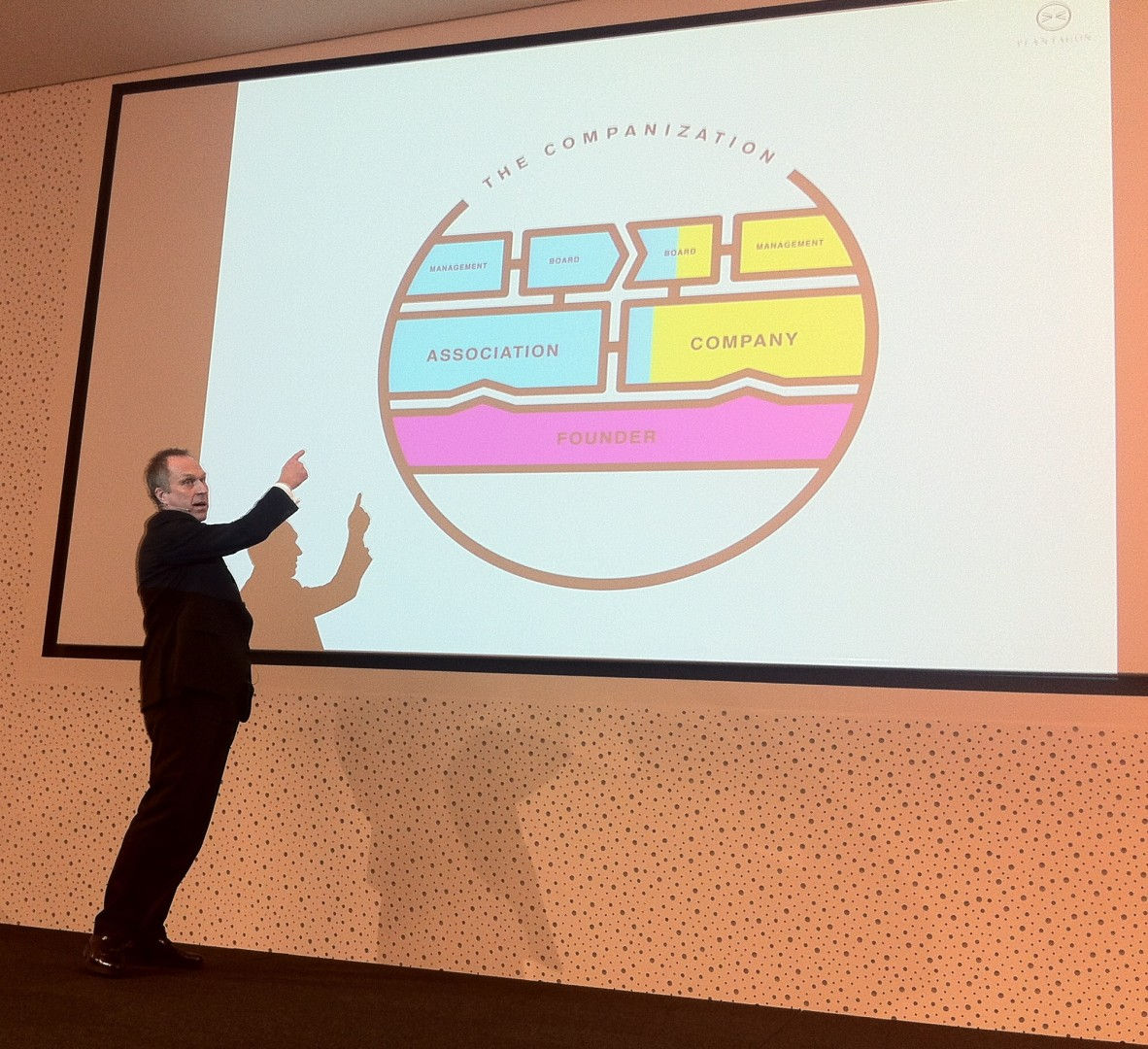
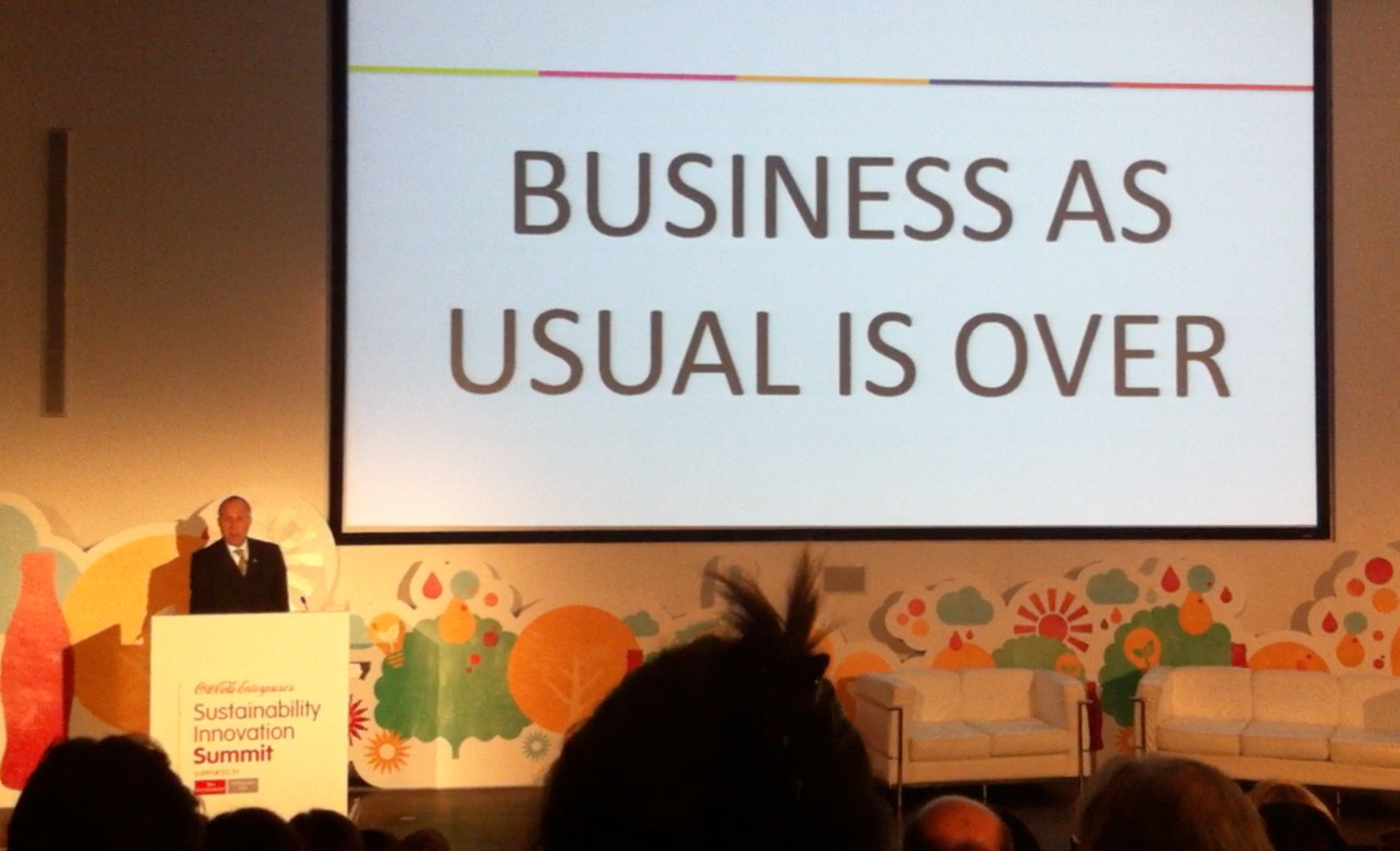
Hassle's notable contribution to corporate governance is the Companization, an alternative and inclusive corporate governance model. This unique hybrid model combines elements of a non-profit association and a for-profit company, incorporating moral values into the business framework. By implementing the Earth Charter and the United Nations Global Compact into the company's articles of association, the Companization model seeks to share dividends and democratize the shareholding structure. Hassle further explores this groundbreaking model in his thought-provoking book on corporate governance titled "Business as Usual is Over".
From 2008 to 2016, Hassle served as the CEO of Plantagon, the world's first Companization. Founded by Swecorp Citizenship AB, Hassle's company, in collaboration with the Indigenous North American nation Onondaga Nation, Plantagon revolutionized Urban Industrial Vertical Farming. During his tenure, Plantagon amassed the world's largest patent portfolio in this field. Notably, Hassle became the first European citizen to be appointed as CEO of a company based outside the United States and owned by an Indigenous North American nation.
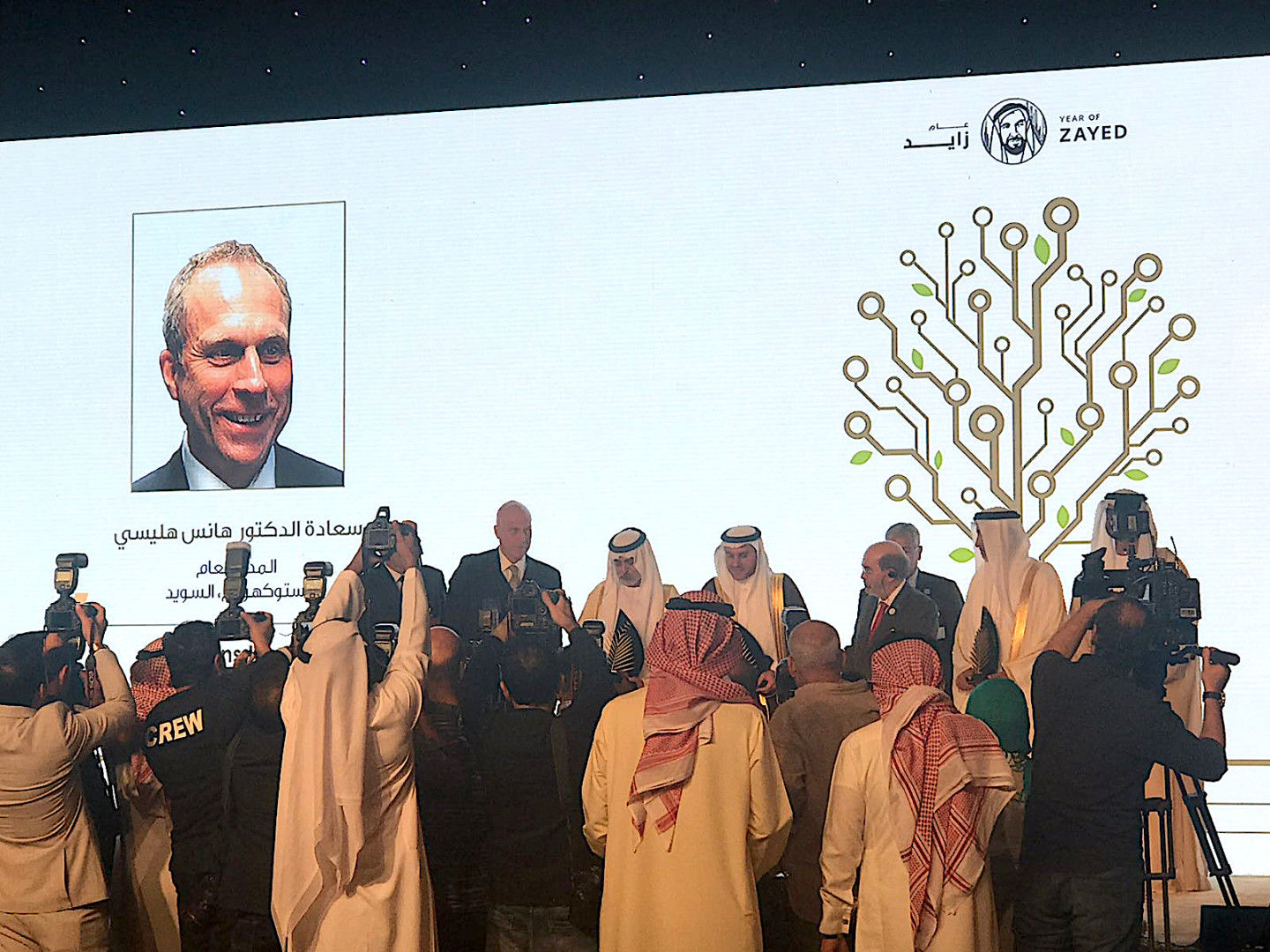
In recognition of his contributions, Hassle was appointed as an official member of the World Entrepreneurship Forum in 2012 and joined the Forum's Think Tank, which consists of 88 esteemed members. He received nominations for Sustainable Leader of the Year in 2010 and 2011 by the Swedish Association of Environmental Managers. In 2012, he was honored with the Swedish CEO of the Year award by European CEO and the World Finance 100 Award. In 2016, Hassle joined the ADC Forum Advisory Council (formerly the Australian Davos Connection), and in 2018, he received the Khalifa International Award in Dubai for Agricultural Innovation.
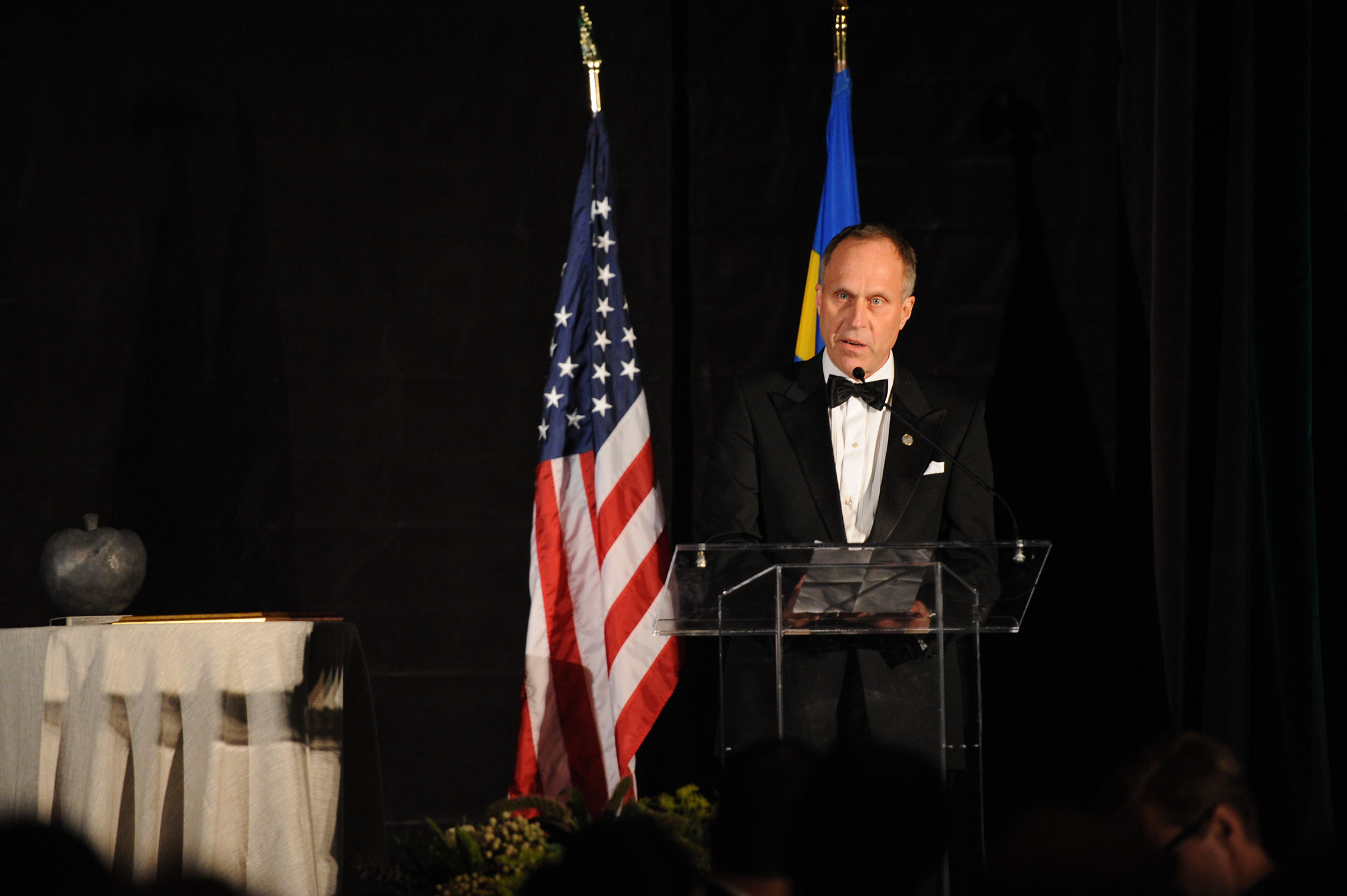
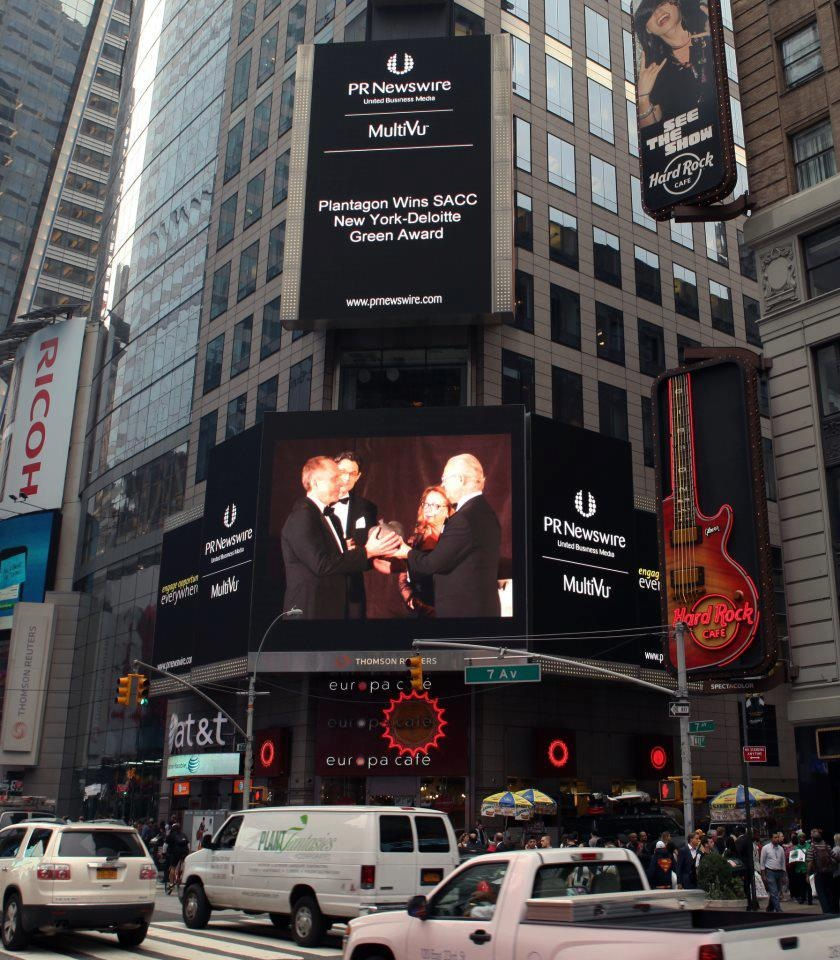
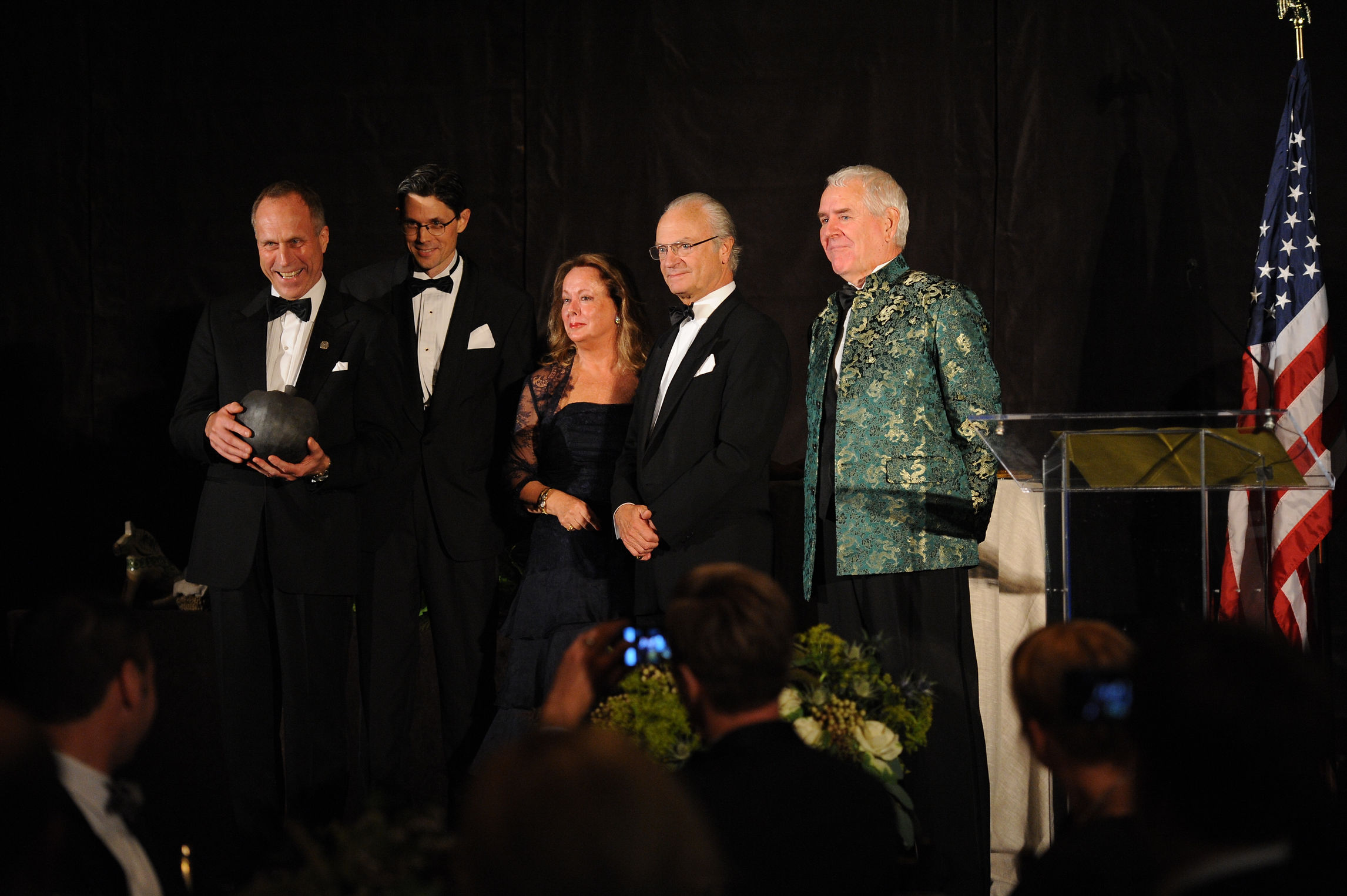
Under Hassle's leadership, Plantagon received several international accolades, including the 2012 Red Herring Award as one of the 100 most innovative companies in the world. The same year, Plantagon was bestowed with The New York Deloitte Green Award for breakthrough green innovation, presented by His Majesty Carl XVI Gustaf, the King of Sweden, to Hans Hassle.
Before his entrepreneurial endeavors, Hans Hassle worked as a freelance journalist from 1981 to 1986. During this period, he explored his passion for storytelling and embarked on various assignments that allowed him to delve into different cultures and communities. Hassle's journalistic work often focused on indigenous peoples, taking him to fascinating locations such as Tibet, Indonesia, and New Zealand. His experiences during this time provided him with a rich understanding of diverse cultures and deepened his appreciation for the importance of sustainable practices and social responsibility.
One of Hassle's notable adventures as a journalist took place in 1986 when he lived with the animist Mentawei tribe on the Indonesian island of Siberut. Immersed in their way of life, he gained firsthand insights into their traditions, beliefs, and practices. This experience not only enriched his understanding of indigenous cultures but also fueled his passion for creating positive change in the world.
Hassle's background as a freelance journalist endowed him with a unique perspective and a strong storytelling ability, both of which would later become invaluable in his entrepreneurial pursuits. Through his journalistic work, he developed a keen eye for identifying untapped potential and a deep sense of empathy for the communities he encountered.
Beyond his professional life, Hassle has built a fulfilling personal life. He is happily married to Karin Hassle, an internationally recognized glass artist who shares his passion for creativity and making a difference. Together, they have nurtured a family and created a supportive environment where their two children can thrive. This balance between personal and professional fulfillment has undoubtedly contributed to Hassle's drive and dedication in his entrepreneurial endeavors.